What experiences, strengths, and values do I carry?
Open experience
 College of Education
Office of Innovative Professional Learning

Orientation to the Civic Leadership in Action Journey
Welcome to Your Civic Leadership in Action Journey
Welcome learners, show them where the journey is going, begin with self and community, and let concrete examples give meaning to the four OAV core principles.
01 · Welcome
Name what is new.
Keep the partnership explanation brief and put the learner at the center.Suggested teacher language“If you have participated in Our American Voice before, some of this will feel familiar—and some will be new. This year, we are bringing together Our American Voice civic learning and DePaul University leadership learning. You will learn about civic life, learn more about yourself as a leader, and use both to work with others and take action.”
Civic learning and citizenship
Why our work begins with civic learning.
Civic learning is about understanding how we live together. It helps young people understand themselves, their relationships, their communities, and the ways they can contribute to the common good.
Citizenship is the legal relationship between an individual and a nation. It carries important rights, freedoms, and responsibilities.
Our work begins with civic learning because it belongs to every learner. As students grow in understanding, they are prepared to explore citizenship as one important expression of civic life.
Facilitators should not ask students to discuss or disclose citizenship or immigration status.
Our goal“Our goal is not simply to teach students about citizenship. Our goal is to help young people become the kind of people who can participate thoughtfully in whatever civic questions their generation inherits.”
02 · Preview the journey
Five parts. One connected experience.
Tell learners they do not need to understand everything today. This is simply the map.- 01Welcome to the journeyBegin with who you are and where you belong.
- 02Explore civic ideasUse eight civic learning experiences to understand civic life.
- 03Build your civic leadership muscleStrengthen the values, habits, and skills you bring to action.
- 04Plan and take actionWork with others to improve something that matters.
- 05Share and celebrateTell the story of the work and reflect on your growth.
03 · Begin with self
Move from me to community.
Use this leadership-development starting point before moving into the opening experience. The exact activities can change without changing the sequence.Who has shaped, supported, or challenged me?
Open experienceWhere do I belong, and what do I notice or care about?
Open experienceDownloadable materials to come. The working experiences are linked above; insert download links here when the worksheets, slides, and other supporting materials are ready.
04 · Experience before labels
Look closely at civic life.
Use the two primary sources to move from everyday community care to collective public action.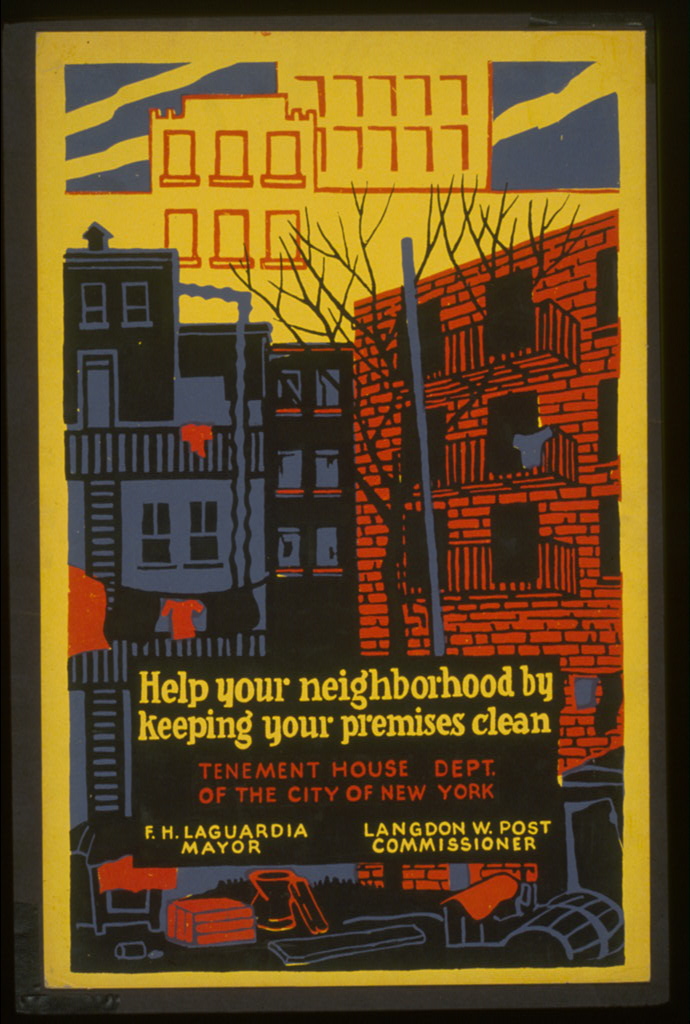
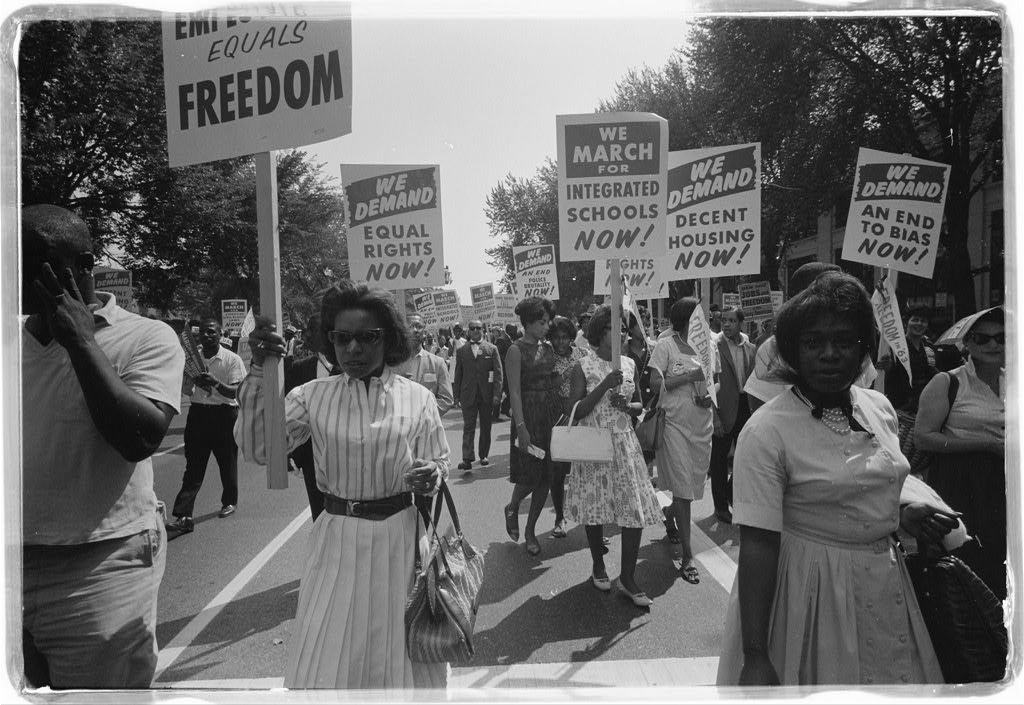
Observe, reflect, question
- What do you notice?
- What are people being asked to do—or choosing to do?
- Who created this message, and whose point of view does it represent?
- Who might benefit? Whose experiences or perspectives might be missing?
- Who has the power, resources, or responsibility to create change?
- What responsibility do individuals have? What responsibility does the larger community have?
- How are people trying to make something better?
05 · Give students the language
Connect examples to the four OAV core principles.
Reveal the principles after students have something concrete to think with. More than one connection can be valid.OAV principle
Citizenship is a way of life, not a singular event.
Civic life happens every day.
OAV principle
With our rights and freedoms come responsibilities.
Rights come with responsibilities.
OAV principle
The success of the individual and community are interdependent.
People and communities depend on one another.
OAV principle
The informed participation of the people shapes and sustains our democracy.
Democracy grows stronger when people learn, participate, and make their voices heard.
Discuss
Which principle can you see in the first image? Which can you see in the second? Can one example connect to more than one principle?
06 · Reflect and bridge
End with one personal connection.
Students are beginning to notice their civic lives—not developing a full action plan yet.One way I already contribute to a group or community is…
One place where I would like to make something better is…
Facilitator notes
Keep the opening light.
- Treat the four principles as lenses learners will revisit, not vocabulary to master today.
- Invite students to make multiple reasonable connections between an example and the principles.
- Do not move into a full issue-selection or action-planning activity yet; that work belongs later in the journey.
- Use the more welcoming phrase civic life in discussion while keeping OAV’s principle statements visible.